


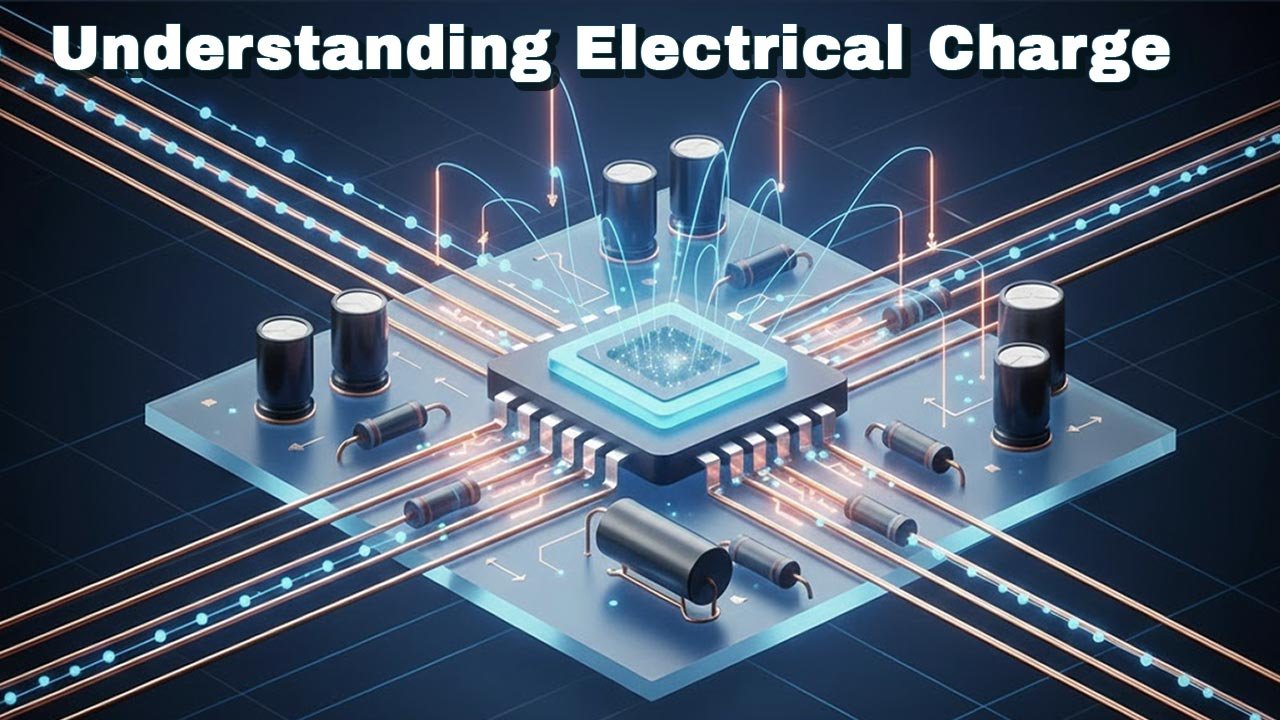
Understanding Electrical Charge: The Foundation of All Electronics
Electrical charge is the bedrock of every electronic device. Todays article explains how charge works, why electrons matter, and how these principles shape everything from smartphones to power grids.
Table of Contents
- What Is Electrical Charge?
- How Charge Creates Electricity
- Positive vs. Negative Charge
- Charge and Electric Fields
- Current, Voltage, and Resistance
- Why Charge Matters in Modern Electronics
- Common Misconceptions
- Top 5 Frequently Asked Questions
- Final Thoughts
- Resources
What Is Electrical Charge?
Electrical charge is a fundamental property of matter that determines how particles interact through electromagnetic forces. In simple terms, charge describes whether something attracts or repels other objects. Electrons carry a negative charge, protons carry a positive charge, and neutrons carry none. The behavior of these charged particles drives all electrical phenomena.
Charge is measured in coulombs (C), and it cannot be created or destroyed; it can only be transferred. This principle, known as charge conservation, ensures that every electronic system behaves predictably, from smartphones to satellites.
How Charge Creates Electricity
Electricity emerges when electrical charge moves. The movement of electrons through a conductor—usually a metal like copper—is what creates electric current. The more electrons flow, the stronger the current.
This movement doesn’t happen spontaneously. It requires an electric potential difference, better known as voltage. Voltage is the “push” that forces electrons to move. Without voltage, electrons stay in place and no electrical energy is produced.
Positive vs. Negative Charge
Positive and negative charges create the dynamic interactions that power electronic systems. Opposite charges attract; like charges repel. This simple rule guides everything from atomic structure to battery function.
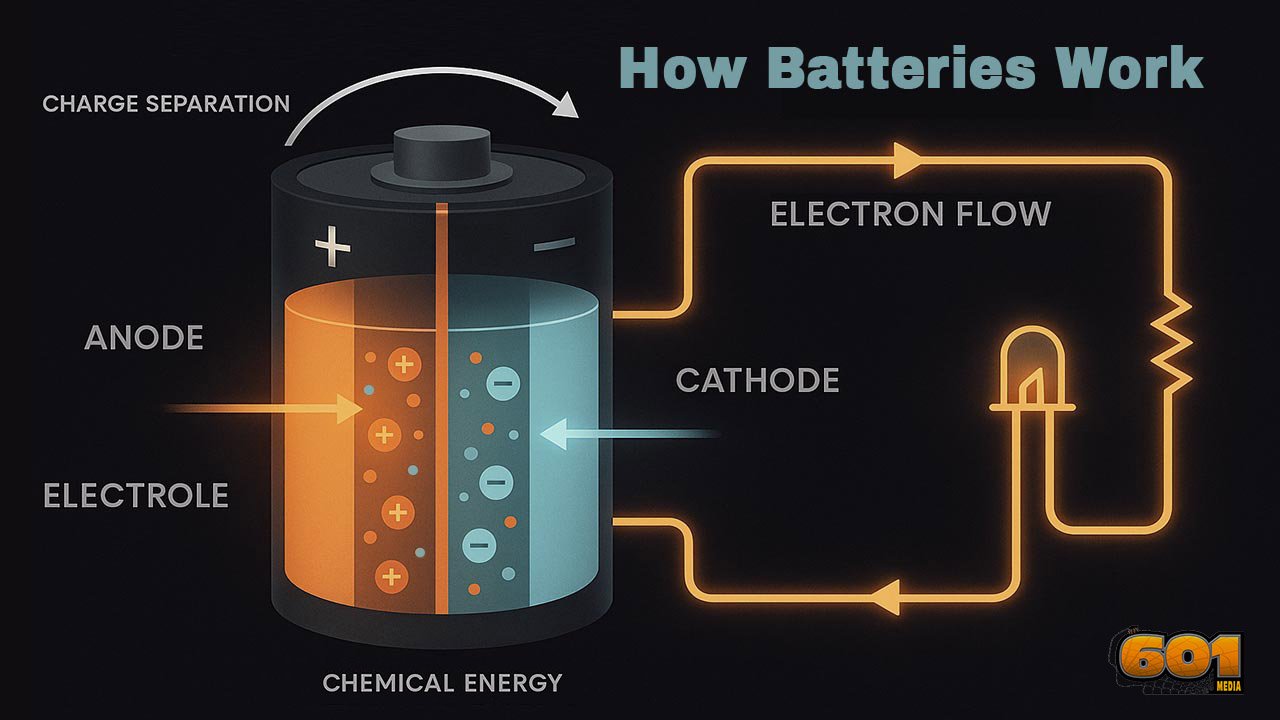
In batteries, chemical reactions separate charges internally, creating a voltage difference between the positive and negative terminals. When a circuit is completed, electrons flow from the negative terminal toward the positive terminal, generating electrical energy that powers devices.
Charge and Electric Fields
An electric field forms around any charged object. This field influences other charges without requiring physical contact. It’s why static electricity can pull dust onto a screen or make hair stand on end.
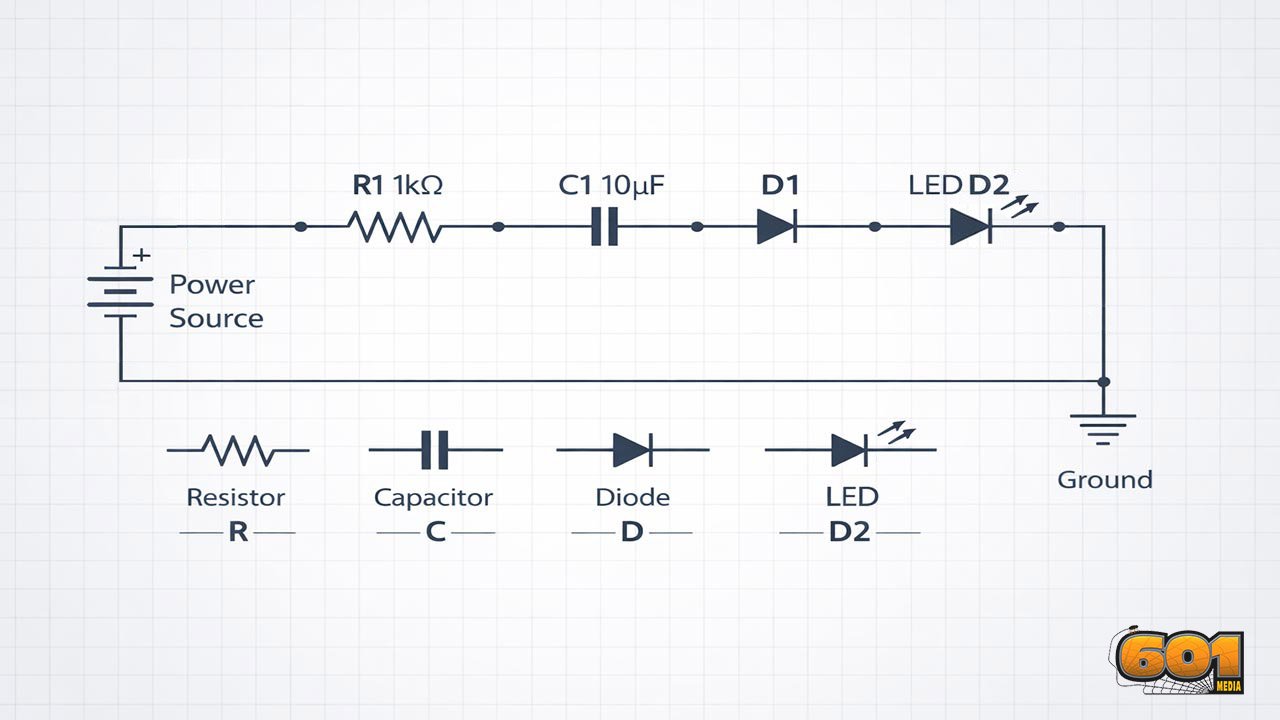
Electric fields are crucial in electronics, especially in components like capacitors and transistors. A capacitor stores charge by holding positive and negative charges on opposite plates. A transistor uses electric fields to control current flow, functioning as a switch or amplifier—the foundation of all digital electronics.
Current, Voltage, and Resistance
Three core electrical quantities define how circuits behave:
- Current (I): the flow rate of electrons, measured in amperes
- Voltage (V): the force pushing electrons, measured in volts
- Resistance (R): the opposition to current, measured in ohms
These three are tied by Ohm’s Law: V = I × R.
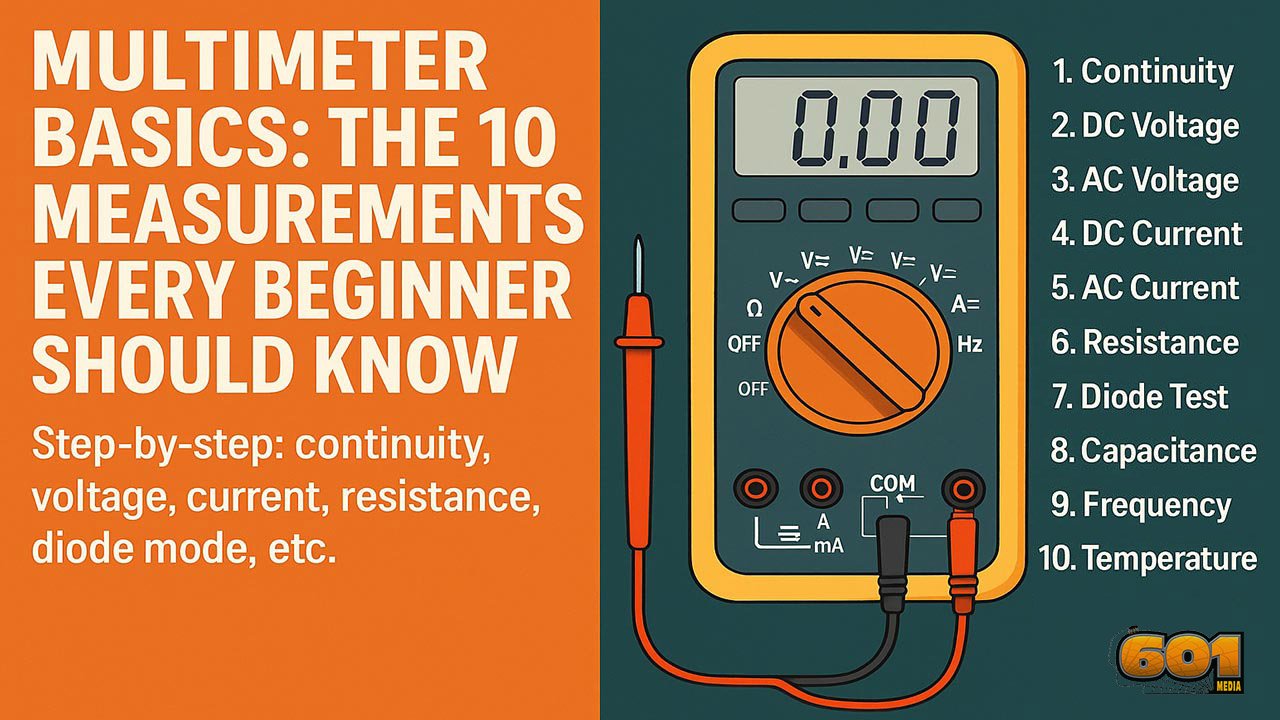
Understanding this relationship is critical for designing or diagnosing electronics. For example, if a device receives too much current, components can overheat. Engineers manage this by adjusting resistance or regulating voltage.
Why Charge Matters in Modern Electronics
Every digital device—from the smallest microchip to the largest data center—relies on precise charge control. Modern semiconductor fabrication manipulates charge pathways at nanoscale dimensions. This allows billions of transistors to switch on and off, creating binary logic states that drive computing.
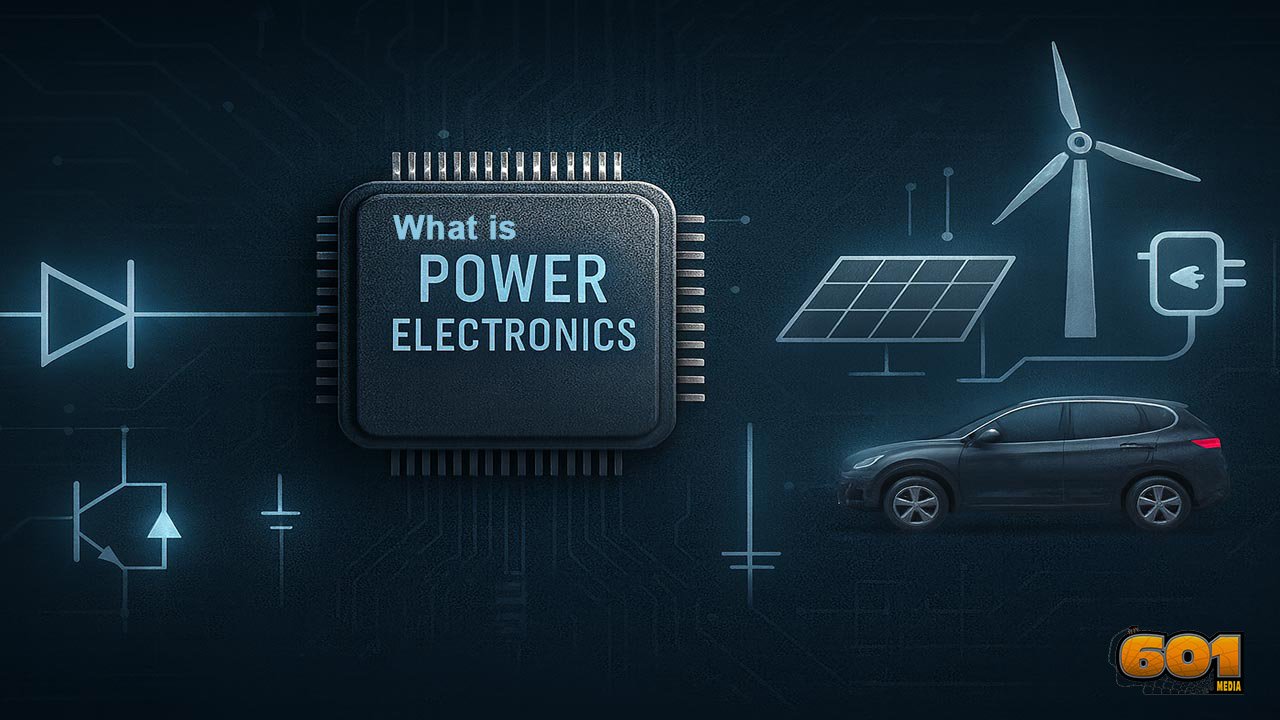
Charge also governs power systems. Electric vehicles, renewable energy grids, and AI infrastructure all depend on efficient charge transfer and storage. Advances in battery chemistry, such as lithium iron phosphate (LFP), focus on optimizing how charge moves within materials.
Ultimately, charge is not just a scientific concept; it is the operational currency of our digital world.
Common Misconceptions
- “Electricity is the same as electrical charge.”
Charge is a property. Electricity is the movement or presence of charge. - “Electrons move at the speed of light.”
Electrons drift slowly through a conductor. The electrical signal, not the electrons, moves near light speed. - “Voltage and current are interchangeable.”
Voltage pushes electrons; current is the result of that push. They are not the same. - “Static electricity and household electricity are unrelated.”
Both are manifestations of charge behavior, just in different contexts.
Top 5 Frequently Asked Questions
Final Thoughts
The most important takeaway is that electrical charge is the foundation of all electronic technology. Without understanding how charge behaves—how it moves, interacts, and responds to electric fields—modern electronics would not exist. This concept fuels everything from nanotech processors to renewable power systems. By mastering charge fundamentals, we gain a clear window into how our entire technological world operates.

Leave A Comment