


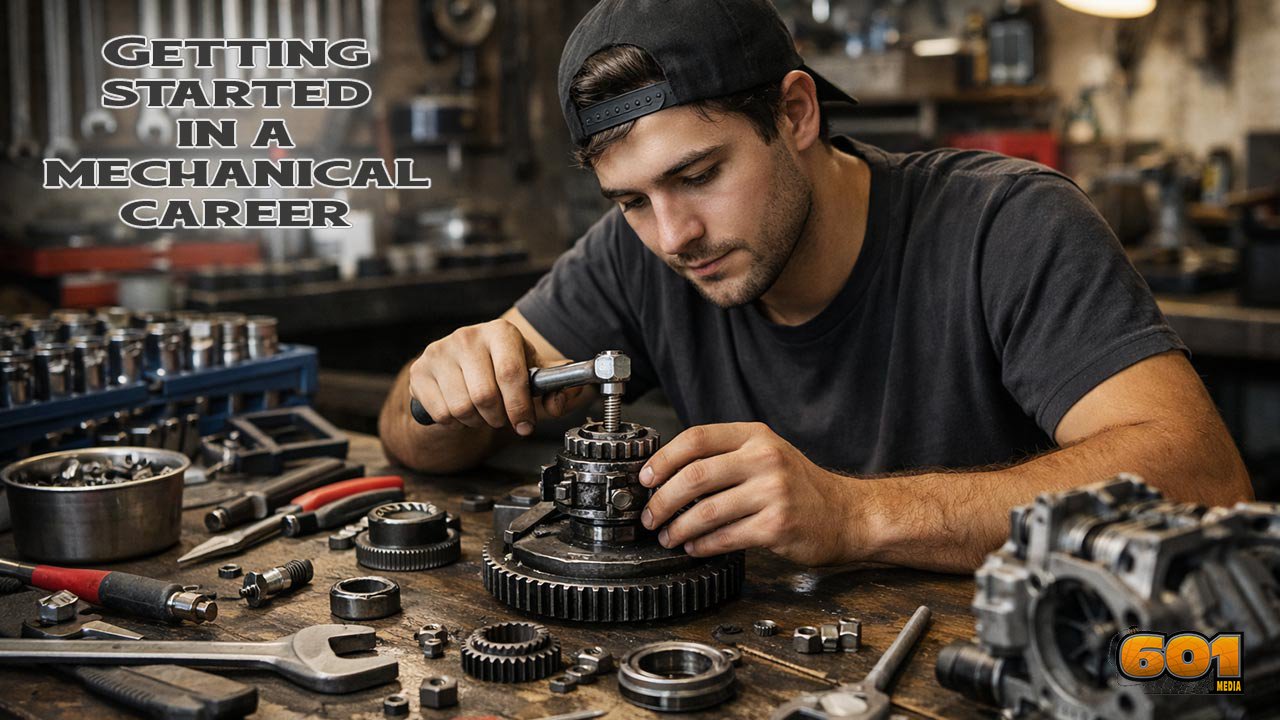
How to Get Started Learning Mechanical Skills
Learning mechanical skills is one of the most practical investments you can make in yourself. From fixing everyday household items to understanding how machines, vehicles, and tools actually work, mechanical knowledge builds confidence, saves money, and opens doors to technical careers. This guide breaks down exactly how beginners can start learning mechanical skills step by step, without overwhelm or unnecessary theory.
Table of Contents
- Understanding the Foundations of Mechanical Skills
- Developing the Right Mechanical Mindset
- Essential Tools Every Beginner Should Own
- Best Learning Paths for Mechanical Skills
- How to Practice Mechanical Skills Safely
- Advancing From Beginner to Skilled Mechanic
- Common Beginner Mistakes and How to Avoid Them
- Top 5 Frequently Asked Questions
- Final Thoughts
- Resources
Understanding the Foundations of Mechanical Skills
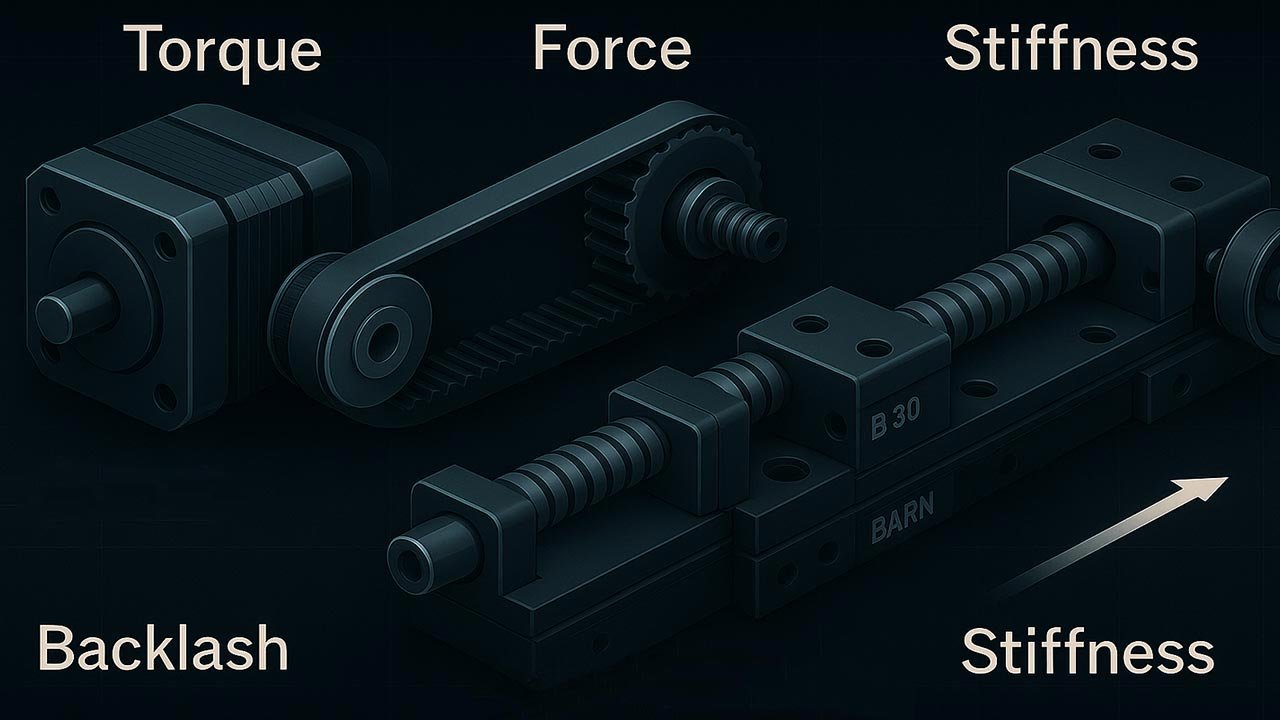
Mechanical skills revolve around understanding how physical systems move, transfer force, and convert energy. At a basic level, mechanics is about cause and effect. When you turn a wrench, apply pressure, or adjust alignment, something changes within the system. Beginners should first understand core principles such as leverage, torque, friction, alignment, and material behavior. These principles apply whether you are fixing a bicycle, assembling furniture, or repairing an engine. You do not need advanced mathematics to begin. What matters most is learning how parts interact and why failures occur. Mechanical systems are often predictable. Bolts loosen for specific reasons. Bearings fail due to wear patterns. Gears strip when loads exceed design limits. Learning to recognize these patterns is the foundation of mechanical competence.
Developing the Right Mechanical Mindset
Mechanical learning is hands-on by nature. Reading alone will never be enough. The most important mindset shift is accepting that mistakes are part of the process. Every experienced mechanic has broken parts, stripped bolts, and assembled components incorrectly at some point. Curiosity is more valuable than speed. When disassembling something, pause and observe how components fit together. Ask yourself why a manufacturer chose a certain design. Mechanical thinking improves when you slow down and study cause-and-effect relationships. Patience is also critical. Mechanical skills improve through repetition, not shortcuts. Rushing repairs often leads to more damage. Developing discipline, organization, and respect for tools will accelerate learning far more than raw intelligence.
Essential Tools Every Beginner Should Own
You do not need a fully equipped workshop to begin learning mechanical skills. A small, high-quality starter toolset is enough. Focus on versatility rather than quantity. At minimum, beginners should own a set of combination wrenches, a socket set with a ratchet, screwdrivers of various sizes, pliers, an adjustable wrench, a torque wrench, and a basic hammer. Measuring tools such as a tape measure and calipers help develop accuracy. Tool quality matters more than brand names. Poor tools slip, round fasteners, and cause injuries. Investing in reliable tools early prevents frustration and builds good habits. As skills grow, specialized tools can be added based on interests such as automotive repair, machinery, or home maintenance.
Best Learning Paths for Mechanical Skills
There are multiple effective ways to learn mechanical skills, and the best approach often combines several methods. Self-directed learning through repair manuals, diagrams, and instructional videos provides foundational knowledge. Visual explanations help beginners understand complex assemblies quickly. Hands-on projects accelerate learning faster than passive study. Simple projects like bicycle maintenance, lawn mower repair, or assembling mechanical kits provide real-world context. Community workshops and maker spaces offer access to equipment and mentorship without large upfront costs. Formal education paths such as vocational training and apprenticeships provide structured progression and safety instruction. According to labor market data, skilled trades involving mechanical expertise consistently show strong job demand due to aging workforces and infrastructure needs.
How to Practice Mechanical Skills Safely
Safety must be a priority from day one. Mechanical work involves sharp edges, moving parts, heavy components, and stored energy. Beginners should always wear protective equipment such as gloves, eye protection, and closed-toe footwear. Before starting any project, understand how the system stores energy. Springs, compressed air, fuel, and electrical components can cause injury if released unexpectedly. Disconnect power sources and relieve pressure before disassembly. Organization improves safety. Keep fasteners sorted, tools clean, and workspaces uncluttered. Labeling parts during disassembly prevents mistakes during reassembly. Safe habits formed early reduce long-term risk and increase efficiency.
Advancing From Beginner to Skilled Mechanic
Progression happens when beginners move from following instructions to diagnosing problems independently. This shift occurs when you start predicting failures instead of reacting to them. Learning to troubleshoot is the turning point in mechanical mastery. Advanced learners should practice reading technical diagrams, torque specifications, and service manuals. Understanding tolerances and material limitations separates hobbyists from skilled technicians. Recording lessons learned from each project accelerates improvement. Mentorship plays a major role at this stage. Working alongside experienced mechanics exposes learners to professional workflows, decision-making processes, and efficiency techniques that books rarely teach.
Common Beginner Mistakes and How to Avoid Them
One of the most common mistakes is over-tightening fasteners. Many beginners assume tighter is better, but excessive torque damages threads and components. Learning proper torque values prevents costly errors. Another frequent issue is skipping diagnosis and replacing parts blindly. Mechanical skill is not about guessing. It is about understanding failure modes and verifying causes before taking action. Beginners should slow down and test assumptions. Finally, neglecting documentation leads to repeated mistakes. Keeping notes, photos, and part references helps build long-term mechanical intuition and reduces dependency on external guidance.
Top 5 Frequently Asked Questions
Final Thoughts
Learning mechanical skills is a long-term investment in problem-solving ability, independence, and technical confidence. The most important takeaway is that mechanical competence is built through curiosity, repetition, and hands-on experience rather than talent alone. By mastering fundamentals, practicing safely, and learning from mistakes, anyone can develop practical mechanical expertise that applies across careers and everyday life.
Resources
- U.S. Bureau of Labor Statistics – Skilled Trades Outlook
- Machinery’s Handbook – Industrial Reference Guide
- Engineering Explained – Practical Mechanical Education
- HowStuffWorks – Mechanical Systems Basics

Leave A Comment