


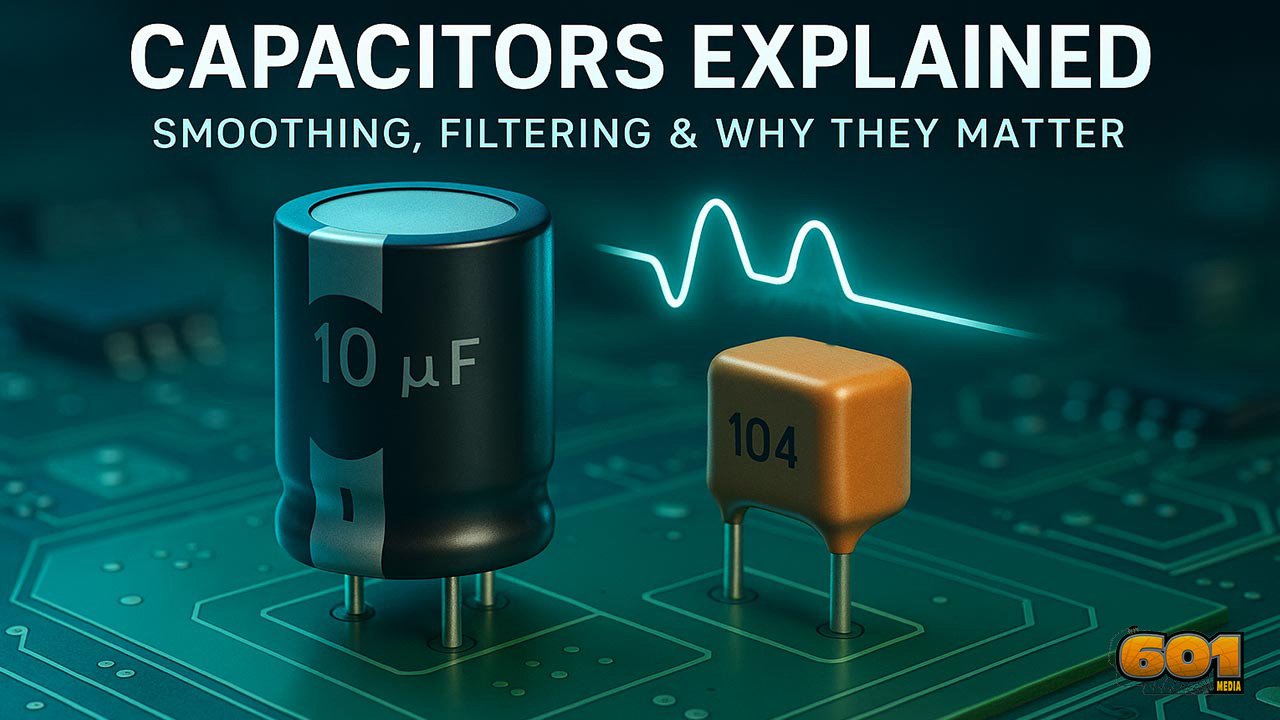
What are Capacitors? and why they matter.
A capacitor is a passive electronic component designed to store and release electrical energy, forming a core concept in basic electronics. From smoothing noisy power supplies to filtering signals and enabling timing functions, capacitors quietly shape how electronic systems behave. We’ll explain how capacitors work, why smoothing and filtering are critical, and why these components remain indispensable in innovation-driven electronic design.
Table of Contents
- What Is a Capacitor?
- How Capacitors Store Energy
- Smoothing in Power Supplies
- Filtering Signals and Noise
- Capacitors in Timing and Control
- Types of Capacitors and Their Uses
- Why Capacitors Matter in Modern Electronics
- Top 5 Frequently Asked Questions
- Final Thoughts
- Resources
What Is a Capacitor?
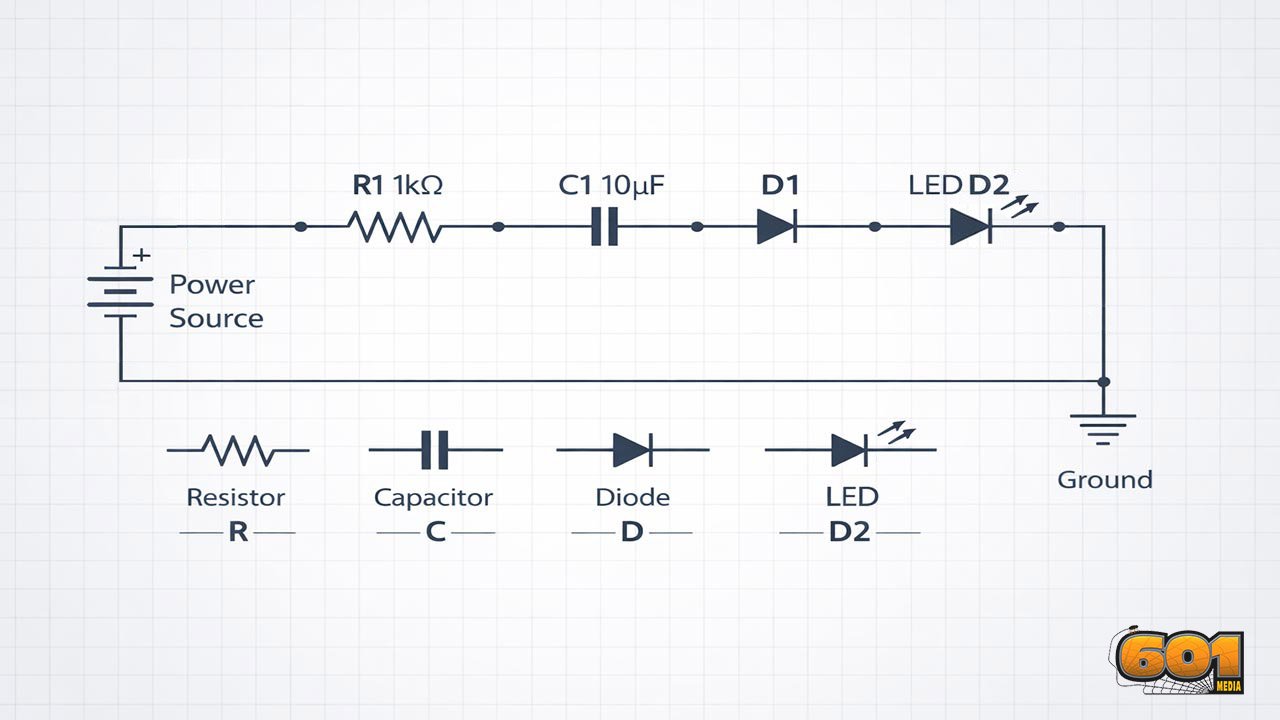
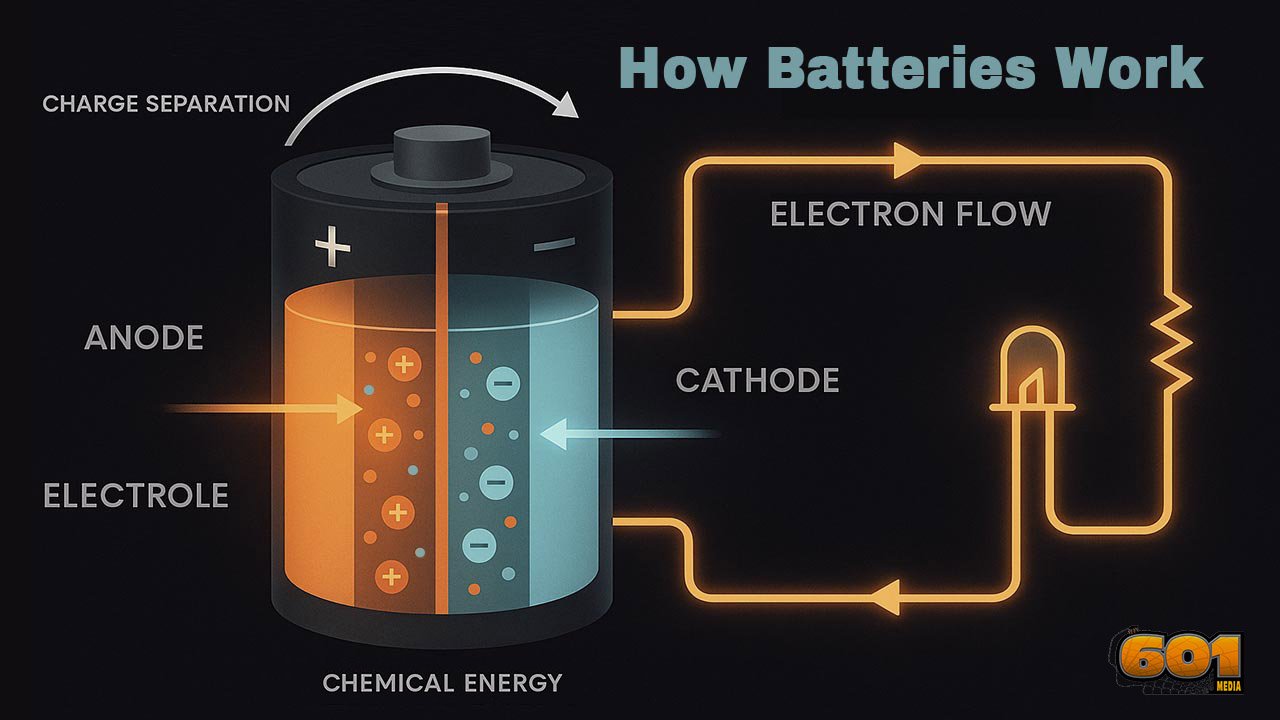
A capacitor is a passive electronic component designed to store and release electrical energy. It consists of two conductive plates separated by an insulating material called a dielectric. When voltage is applied, electric charge accumulates on the plates, creating an electric field that stores energy. Unlike batteries, capacitors do not generate energy or store it chemically. Instead, they store energy electrostatically and release it rapidly. This ability makes them ideal for tasks where quick charge and discharge cycles are required, such as voltage stabilization and noise suppression.
How Capacitors Store Energy
Capacitors store energy by separating positive and negative charges across their plates. The amount of energy stored depends on capacitance, measured in farads, and the applied voltage. In practical electronics, capacitance values range from picofarads used in radio frequency circuits to farads used in supercapacitors. The governing relationship shows that stored energy increases with the square of the voltage, which explains why voltage ratings are critical in capacitor selection. This simple storage mechanism enables capacitors to respond almost instantly to changes in voltage, a property that underpins smoothing and filtering behavior.
Smoothing in Power Supplies
One of the most important roles of capacitors is smoothing voltage in power supplies. After AC voltage is converted to DC through rectification, the resulting waveform is not perfectly flat. Instead, it contains ripples that can disrupt sensitive electronic components. Smoothing capacitors charge when the voltage peaks and discharge when the voltage drops. This action fills in the gaps, reducing ripple and producing a more stable DC output. The larger the capacitance, the more effective the smoothing, though physical size and cost increase accordingly. Without smoothing capacitors, power supplies would deliver fluctuating voltage levels, leading to malfunction, signal distortion, and reduced component lifespan.
Filtering Signals and Noise
Capacitors are essential in filtering unwanted frequencies from electrical signals. In combination with resistors or inductors, they form filters that allow certain frequencies to pass while attenuating others. Low-pass filters use capacitors to block high-frequency noise while preserving lower-frequency signals. High-pass filters do the opposite, eliminating slow-changing offsets or DC components. These filtering functions are critical in audio systems, communication equipment, and digital electronics. Noise filtering is particularly important in modern high-speed circuits. Capacitors placed close to integrated circuits act as decoupling or bypass capacitors, absorbing transient voltage spikes and preventing noise from propagating through the system.
Capacitors in Timing and Control
Capacitors also play a central role in timing circuits. When paired with resistors, they create predictable charge and discharge cycles that define time delays and oscillation frequencies. This principle is used in clocks, pulse generators, and control circuits. Even in complex microcontroller-based systems, capacitors support timing stability by smoothing reference voltages and stabilizing internal oscillators. Their analog behavior remains valuable despite the dominance of digital logic, proving that capacitors bridge foundational electronics and advanced system design.
Types of Capacitors and Their Uses
Different applications require different capacitor technologies. Ceramic capacitors are widely used for decoupling and high-frequency applications due to their stability and low inductance. Electrolytic capacitors provide high capacitance values, making them suitable for power supply smoothing. Film capacitors offer excellent reliability and are often used in signal processing and timing circuits. Tantalum capacitors balance size and performance but require careful voltage derating. Selecting the correct capacitor involves evaluating capacitance, voltage rating, temperature stability, and expected lifespan.
Why Capacitors Matter in Modern Electronics
Capacitors enable electronic systems to function reliably under real-world conditions. As devices become smaller and faster, power integrity and noise control become increasingly challenging. Capacitors address these challenges directly. In innovation and technology management, capacitors represent a classic example of enabling technology. They are low-cost, widely available, and fundamental to system performance. Advances in materials science continue to improve their energy density, reliability, and environmental impact. From consumer electronics to industrial automation and renewable energy systems, capacitors remain essential to progress.
Top 5 Frequently Asked Questions
Final Thoughts
Capacitors may appear simple, but their impact on electronic systems is profound. They smooth power, filter noise, define timing, and protect components from instability. In a technology landscape driven by performance and reliability, capacitors quietly ensure that innovation works as intended. Understanding their function is not optional for engineers, designers, or technology leaders—it is foundational.
Resources
- Horowitz, P., & Hill, W. The Art of Electronics
- Texas Instruments Power Supply Design Handbook
- IEEE Spectrum – Passive Component Fundamentals
Leave A Comment