


What Is Google Discover and How to Optimize for It?
Google Discover is one of the most powerful yet misunderstood traffic channels in modern search. Unlike traditional search results, it does not rely on queries. Instead, it proactively delivers content to users based on their interests, behavior, and engagement patterns. For publishers, marketers, and product leaders, this represents a shift from keyword-centric SEO to audience-centric content strategy.
Table of Contents
- What Is Google Discover?
- How Google Discover Works
- Google Discover vs Traditional Search
- Content Eligibility Requirements
- How to Optimize for Google Discover
- Measuring Google Discover Performance
- Common Optimization Mistakes
- The Future of Google Discover
- Top 5 Frequently Asked Questions
- Final Thoughts
- Resources
What Is Google Discover?
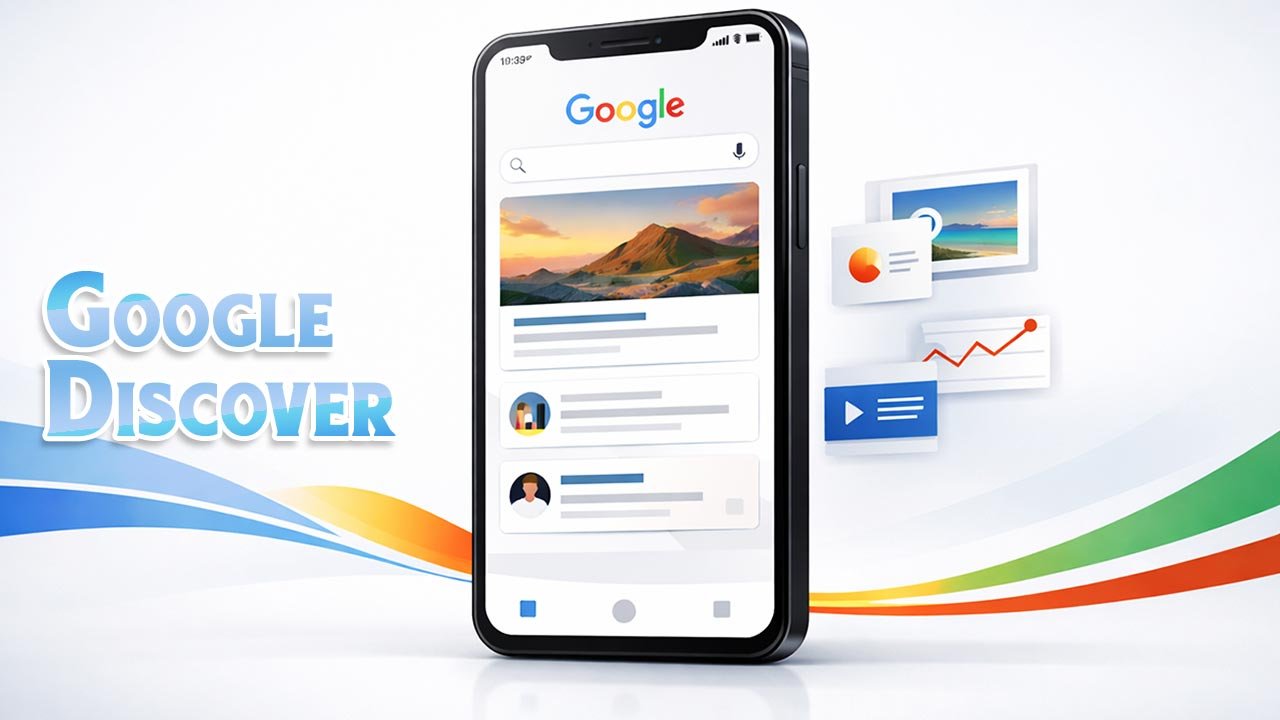
Google Discover is a personalized content feed available on mobile devices through the Google app, Chrome’s mobile homepage, and Android home screens. Instead of responding to a search query, Discover predicts what users want to read next and surfaces content accordingly. Discover content appears as large cards featuring headlines, images, and source branding. These cards can generate significant traffic spikes, often outperforming organic search for publishers who align with Discover’s content signals.
How Google Discover Works
Google Discover relies on machine learning models that analyze user behavior, topic affinity, and content performance signals. The system evaluates:
- User interaction history with similar content
- Topical authority of the publisher
- Content freshness and relevance
- Engagement metrics such as dwell time and interaction
Unlike search algorithms, Discover is interest-driven rather than intent-driven. This means visibility depends less on ranking for keywords and more on creating content that aligns with evolving user interests.
Google Discover vs Traditional Search
Traditional search requires explicit user intent. Google Discover does not.
Search optimization focuses on keywords, backlinks, and technical SEO. Discover optimization prioritizes:
- Topic authority over keyword density
- Visual appeal over SERP snippets
- Evergreen relevance combined with freshness
Discover traffic is often volatile but can be extremely high-volume when content resonates with users.
Content Eligibility Requirements
Not all content qualifies for Discover visibility. Google applies baseline quality standards, including:
- Compliance with Google News and Discover content policies
- Clear authorship and publisher transparency
- High-quality images at least 1200 pixels wide
- Mobile-optimized page performance
While participation in Google News is not required, Discover favors content that demonstrates editorial credibility and user trust.
How to Optimize for Discover
Optimizing for Discover requires a strategic shift from keyword targeting to audience resonance.
1. Prioritize High-Value, People-First Content
Discover rewards content that provides genuine value. This includes:
- Original analysis and expert insights
- Clear explanations of complex topics
- Content written for humans, not algorithms
Thin, generic, or rehashed content rarely performs well in Discover feeds.
2. Write Emotionally Compelling Headlines
Headlines play a critical role in Discover click-through rates. Effective Discover headlines are:
- Curiosity-driven without being misleading
- Emotionally resonant
- Clear about the content value
Avoid clickbait tactics that fail to deliver on the promise—this reduces long-term Discover visibility.
3. Optimize Visual Assets
Images are a dominant component of Discover cards. Best practices include:
- Using high-resolution, original images
- Avoiding logos or text-heavy graphics
- Ensuring strong visual relevance to the topic
Publishers must also enable large image previews using the appropriate meta tags.
4. Build Strong Topical Authority
Discover favors publishers who consistently cover specific topics in depth. This means:
- Publishing clusters of related content
- Updating evergreen articles regularly
- Demonstrating expertise through depth and consistency
Authority is built over time and reinforced through sustained quality.
5. Maintain Technical Excellence
While Discover is not keyword-driven, basic technical SEO still matters. Key factors include:
- Fast mobile load times
- Clean structured data where appropriate
- Secure HTTPS implementation
Monitoring performance through Google Search Console is essential for Discover insights.
Measuring Discover Performance
Discover performance data is available within Search Console under the Discover report. Metrics include:
- Total impressions
- Clicks and click-through rate
- Content-level performance trends
Because Discover traffic fluctuates, performance should be evaluated over longer time horizons rather than daily snapshots.
Common Optimization Mistakes
Many publishers fail with Discover due to avoidable errors:
- Over-optimizing for keywords
- Publishing low-quality listicles at scale
- Ignoring image quality
- Chasing trends without relevance
Discover rewards alignment, not manipulation.
The Future of Google Discover
Google Discover continues to evolve as Google invests heavily in predictive search and AI-driven personalization. Expect future Discover updates to place even greater emphasis on:
- Author credibility
- Content experience signals
- User satisfaction metrics
For organizations practicing innovation and technology management, Discover represents a long-term strategic channel rather than a short-term traffic tactic.
Top 5 Frequently Asked Questions
Final Thoughts
Google Discover represents a fundamental shift in how content reaches users. Success requires moving beyond keyword obsession and embracing audience-centric publishing. Brands and publishers that invest in expertise, storytelling, and visual excellence will be best positioned to capture sustainable Discover visibility as predictive search continues to mature.
Resources
{ "@context": "https://schema.org", "@type": "FAQPage", "mainEntity": [ { "@type": "Question", "name": "Is Google Discover SEO different from traditional SEO?", "acceptedAnswer": { "@type": "Answer", "text": "Yes. Google Discover focuses on user interest, engagement, and content quality rather than keyword rankings." } }, { "@type": "Question", "name": "Can small websites appear in Google Discover?", "acceptedAnswer": { "@type": "Answer", "text": "Yes. Smaller sites can appear if they demonstrate strong topical authority and high-quality content." } }, { "@type": "Question", "name": "Does freshness matter in Google Discover?", "acceptedAnswer": { "@type": "Answer", "text": "Freshness matters, but evergreen content can also perform well when it remains relevant." } }, { "@type": "Question", "name": "How long does Google Discover traffic last?", "acceptedAnswer": { "@type": "Answer", "text": "Traffic spikes can last from hours to weeks depending on engagement and relevance." } }, { "@type": "Question", "name": "Is Google Discover traffic predictable?", "acceptedAnswer": { "@type": "Answer", "text": "No. Google Discover traffic is inherently volatile due to personalization." } } ] }
{
"@context": "https://schema.org",
"@type": "HowTo",
"name": "How to Optimize for Google Discover",
"description": "A step-by-step process to improve eligibility and performance for Google Discover by focusing on content quality, topical authority, visuals, and technical best practices.",
"totalTime": "PT2H",
"supply": [
{ "@type": "HowToSupply", "name": "High-quality original content" },
{ "@type": "HowToSupply", "name": "High-resolution featured images (1200px+ width)" },
{ "@type": "HowToSupply", "name": "Google Search Console access" }
],
"tool": [
{ "@type": "HowToTool", "name": "Google Search Console" },
{ "@type": "HowToTool", "name": "Page speed testing tool (e.g., Lighthouse)" }
],
"step": [
{
"@type": "HowToStep",
"name": "Publish people-first, high-value content",
"text": "Write original, useful content with clear expertise, real insights, and specific takeaways. Avoid thin or duplicated posts.",
"url": "https://diyhobbymaker.com/what-is-google-discover-and-how-to-optimize-for-it/#content-quality"
},
{
"@type": "HowToStep",
"name": "Craft compelling, accurate headlines",
"text": "Use curiosity and clarity without misleading promises. Strong headlines improve CTR while maintaining trust.",
"url": "https://diyhobbymaker.com/what-is-google-discover-and-how-to-optimize-for-it/#headline-optimization"
},
{
"@type": "HowToStep",
"name": "Use strong visuals and enable large previews",
"text": "Add relevant, high-quality images (1200px+ wide) and ensure your pages allow large image previews for Discover cards.",
"url": "https://diyhobbymaker.com/what-is-google-discover-and-how-to-optimize-for-it/#visual-optimization"
},
{
"@type": "HowToStep",
"name": "Build topical authority with consistent coverage",
"text": "Create topic clusters, publish consistently in your niche, and update key evergreen pages to reinforce expertise.",
"url": "https://diyhobbymaker.com/what-is-google-discover-and-how-to-optimize-for-it/#topical-authority"
},
{
"@type": "HowToStep",
"name": "Maintain excellent mobile performance and page experience",
"text": "Improve mobile load speed, use HTTPS, avoid intrusive interstitials, and keep pages stable and easy to navigate.",
"url": "https://diyhobbymaker.com/what-is-google-discover-and-how-to-optimize-for-it/#technical-seo"
},
{
"@type": "HowToStep",
"name": "Track Discover performance and iterate",
"text": "Use the Discover report in Google Search Console to evaluate impressions, clicks, and CTR, then refine content topics and formats based on what performs.",
"url": "https://diyhobbymaker.com/what-is-google-discover-and-how-to-optimize-for-it/#performance-measurement"
}
]
}





Leave A Comment