


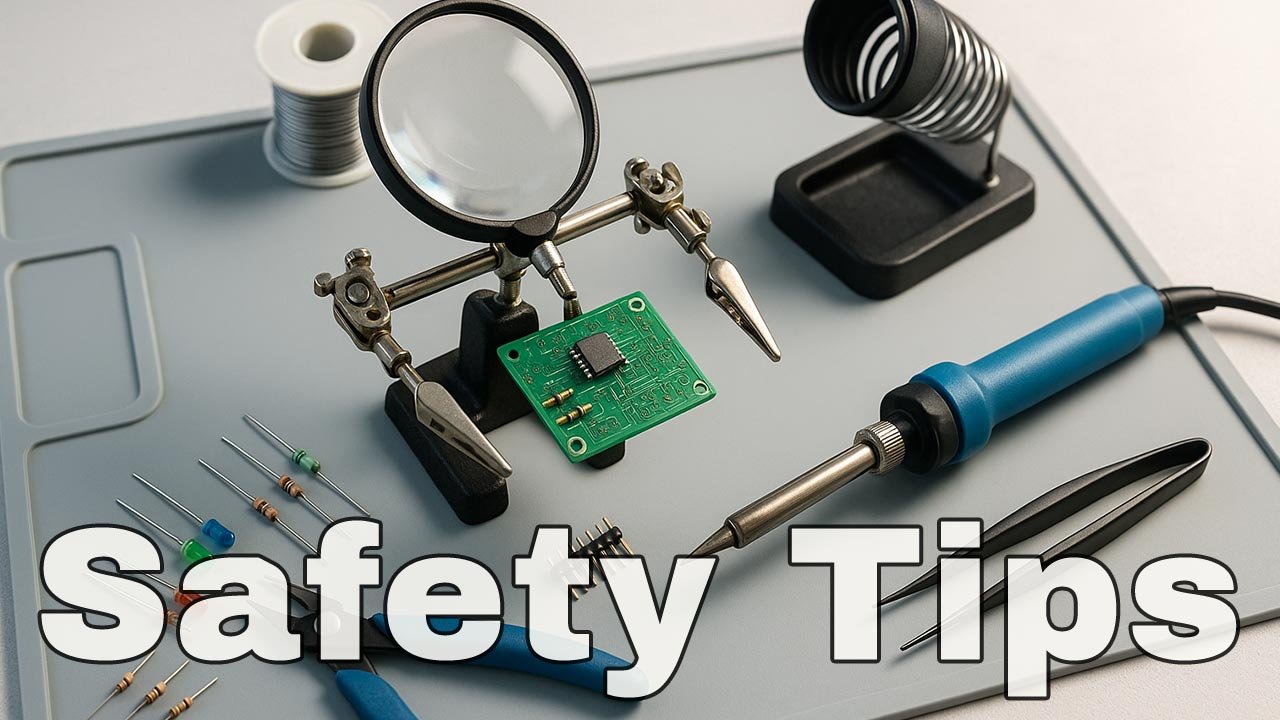
Practical Safety Tips for Electronics Hobbyists
Electronics hobbies blend creativity, problem-solving, and hands-on innovation. From building Arduino projects to repairing power supplies or experimenting with IoT devices, electronics work can be deeply rewarding. However, it also introduces real physical risks. Electrical shock, fire hazards, chemical exposure, and equipment damage are common outcomes when safety is overlooked. This article provides practical, experience-driven safety guidance designed specifically for electronics hobbyists working at home or in small workshops.
Table of Contents
- Understanding Electrical Risks
- Setting Up a Safe Electronics Workspace
- Personal Protective Equipment for Hobbyists
- Safe Handling of Electronic Components
- Soldering and Desoldering Safety
- Working with Power Supplies and High Voltage
- Fire Prevention and Thermal Hazards
- Chemical and Material Exposure Risks
- Tool Safety and Equipment Maintenance
- Developing Long-Term Safe Work Habits
- Top 5 Frequently Asked Questions
- Final Thoughts
- Resources
Understanding Electrical Risks
Electricity poses hazards that are often underestimated by hobbyists. Even low-voltage circuits can become dangerous under certain conditions, especially when moisture, damaged insulation, or faulty power supplies are involved. According to electrical safety research, currents as low as 30 milliamps passing through the human body can cause respiratory paralysis or ventricular fibrillation.
AC power from household outlets is particularly hazardous due to its ability to disrupt heart rhythms. Capacitors in power supplies can store lethal charges long after devices are unplugged. Understanding where energy is stored and how it flows through a circuit is the foundation of safe electronics work.
Setting Up a Safe Electronics Workspace
A safe workspace dramatically reduces accident risk. The workbench should be stable, non-conductive, and free from clutter. Loose wires, exposed tools, and stacked components increase the likelihood of short circuits and accidental contact with live conductors.
Proper lighting is essential for identifying component markings, polarity, and solder joints. Poor visibility contributes directly to wiring mistakes and accidental shorts. Adequate ventilation is also critical, particularly for soldering and working with chemicals. A small fume extractor or well-placed fan can significantly reduce airborne contaminants.
Personal Protective Equipment for Hobbyists
Personal protective equipment is often ignored by hobbyists but remains one of the simplest safety upgrades. Safety glasses protect against solder splatter, clipped leads, and component failures. Anti-static wrist straps prevent electrostatic discharge while also discouraging unsafe hand positioning near live circuits.
Heat-resistant gloves are useful when handling components that retain heat, such as voltage regulators or power resistors. Insulated footwear adds an additional layer of protection when working with mains-powered equipment.
Safe Handling of Electronic Components
Electronic components are more fragile than they appear. Electrostatic discharge can destroy integrated circuits without visible damage. Grounding yourself before handling sensitive components prevents latent failures that appear later during operation.
Sharp component leads can cause puncture wounds. Always trim leads carefully and dispose of offcuts immediately. Store components in labeled containers to prevent accidental misuse, especially with polarized parts like electrolytic capacitors and diodes.
Soldering and Desoldering Safety
Soldering irons operate at temperatures exceeding 350°C, making burns one of the most common hobbyist injuries. Always return the iron to its stand and avoid setting it directly on the bench.
Solder fumes contain flux vapors and metal particulates that can irritate the respiratory system. Studies have shown prolonged exposure to solder fumes increases the risk of occupational asthma. Lead-free solder reduces toxicity but still requires proper ventilation. Never eat or drink while soldering, and wash hands afterward.
Working with Power Supplies and High Voltage
Power supplies introduce some of the highest risks in hobby electronics. Switch-mode power supplies, CRT monitors, and microwave oven transformers can store dangerous energy even when disconnected.
Use one hand when probing live circuits to minimize current paths across the chest. Always verify discharge with a multimeter before touching high-voltage sections. Isolation transformers add an important layer of protection when testing mains-connected devices.
Fire Prevention and Thermal Hazards
Overheating components and wiring faults are primary causes of electronics-related fires. Underrated resistors, incorrect fuses, and poor airflow increase fire risk. Thermal imaging studies show that improperly sized components can exceed safe temperatures within minutes of operation.
Keep a Class C fire extinguisher accessible in your workspace. Never leave powered projects unattended during initial testing phases. Using current-limited power supplies during prototyping reduces catastrophic failures.
Chemical and Material Exposure Risks
Electronics work involves chemicals such as flux, isopropyl alcohol, cleaning sprays, and adhesives. Prolonged skin contact or inhalation can cause irritation or long-term health effects.
Always read material safety data sheets for unfamiliar products. Store chemicals in sealed, labeled containers away from heat sources. Avoid using compressed air on circuit boards, as it can aerosolize harmful residues.
Tool Safety and Equipment Maintenance
Tools in poor condition create hidden hazards. Frayed power cords, cracked insulation, and malfunctioning meters increase accident risk. Regularly inspect tools and replace damaged equipment immediately.
Use tools only for their intended purpose. Improvised solutions often lead to slips, shorts, or broken components. Calibrate measurement tools periodically to ensure accurate readings, especially when working with power electronics.
Developing Long-Term Safe Work Habits
Safety is not a checklist but a mindset. Experienced hobbyists develop habits such as double-checking power connections, labeling test circuits, and documenting changes. Fatigue significantly increases mistake rates, so take breaks during long sessions.
Keeping a project log helps track modifications and reduces the temptation to troubleshoot live circuits impulsively. Over time, disciplined safety practices improve both personal protection and project reliability.
Top 5 Frequently Asked Questions
Final Thoughts
Electronics hobbies thrive on curiosity and experimentation, but safety must evolve alongside skill. Most serious accidents occur not from complex projects, but from routine tasks performed without caution. By investing in a safe workspace, wearing basic protective equipment, and cultivating disciplined habits, electronics hobbyists can dramatically reduce risk while improving project outcomes. Safety is not a barrier to creativity—it is what allows creativity to continue over the long term.
Resources
- Occupational Safety and Health Administration – Electrical Safety Guidelines
- IEEE Electrical Safety Handbook
- National Fire Protection Association (NFPA 70E)
- UK Health and Safety Executive – Soldering and Fume Exposure
- Electronics Industry Alliance Safety Standards

Leave A Comment