Share This Story, Choose Your Platform!
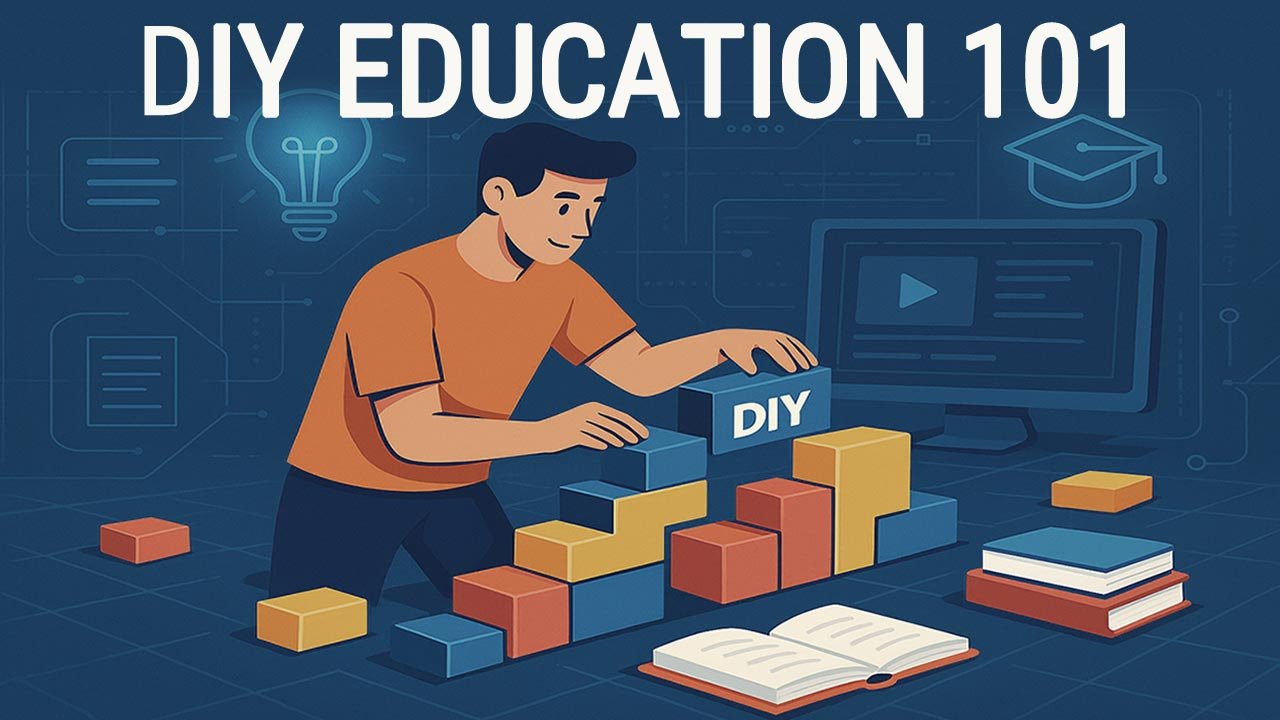
DIY Education 101: The Complete Guide to Building Your Own Self-Directed Learning System
A practical guide designed to help learners build their own education pathway using proven frameworks from innovation, cognitive science, and technology management. This page walks you through the strategy, tools, and structure needed to master any skill or discipline through DIY learning.
Table of Contents
- What Is DIY Education?
- Core Principles of DIY Education
- How to Design Your Own DIY Curriculum
- Tools and Platforms for DIY Education
- Creating a Personal Learning System
- The Future of DIY Education
- Final Thoughts
- Top 5 Frequently Asked Questions
What Is DIY Education?
DIY Education refers to a self-directed approach to learning where individuals intentionally design their own curriculum, structure, and evaluation systems. Unlike traditional education, DIY learning operates on autonomy, flexible pathways, and direct alignment with personal goals.
Why Education Matters
Education is rising because conventional education is increasingly mismatched with rapid technological change. According to the World Economic Forum, more than 50% of today’s jobs require reskilling by 2027, and traditional institutions aren’t keeping pace. Learners need personalized, adaptable systems—DIY education meets that demand.
How DIY Education Differs from Traditional Schooling
Traditional systems push standardized curricula; DIY education pulls what you need when you need it. The learner becomes the architect. This approach minimizes waste, accelerates learning cycles, and encourages innovation-driven mindsets similar to agile project teams.
Core Principles of DIY Education
Self-Direction
You control pace, depth, and direction. Research on autonomous learning shows that self-directed learners demonstrate higher retention and motivation due to internal locus of control.
Modular Learning
Skills are broken into atomic units—micro-skills. This mirrors innovation frameworks like modular architecture in product systems.
Iteration and Feedback Loops
Borrowed from agile methodology, learners adopt rapid cycles: learn, apply, evaluate, refine. This accelerates mastery and reduces cognitive overload.
Evidence-Based Learning
DIY education leverages proven learning science: spaced repetition, retrieval practice, hyper-specific goal setting, and interleaving.
How to Design Your Own DIY Curriculum
Define Clear Learning Goals
Effective DIY education starts with outcome clarity. Goals must be specific, measurable, and tied to performance indicators.
Skills Mapping and Deconstruction
Skills are mapped using backward design: identify end capability → break into components → define supporting knowledge.
Resource Selection Strategy
DIY learners curate from:
- Open course libraries
- Expert talks
- Industry reports
- Textbooks
- Community forums
Criteria include credibility, depth, and alignment to your skill map.
Building Learning Sprints
Borrowed from agile innovation, sprints condense learning into 1–2 week cycles. Each sprint ends with a project or deliverable.
Tools and Platforms for DIY Education
Content Platforms
Platforms such as Coursera, MIT OCW, and EdX democratize access to world-class instruction.
Project-Based Tools
Platforms like Notion, GitHub, and Miro support project-based learning and prototyping.
Accountability and Tracking
Habit trackers, progress dashboards, and AI coaching tools maintain momentum.
Creating a Personal Learning System
Time Blocking for Learners
Dedicated learning blocks are proven to increase efficiency through cognitive batching.
Habit Loops for Consistency
DIY learners use cue → routine → reward loops to automate learning behavior.
Retention and Application Systems
Methods include spaced repetition schedules, project application, and teaching others.
The Future of DIY Education
DIY education is accelerating as emerging technologies—AI tutors, adaptive learning systems, and open knowledge ecosystems—enable high-quality autonomous learning at scale. The future is personalized, modular, and mastery-based.
Final Thoughts
DIY education shifts the learner from passive receiver to active architect. The most important takeaway: mastery isn’t dependent on institutions—it’s dependent on intentional systems, consistent practice, and iterative improvement. When learners build their own educational pathways, they gain resilience, adaptability, and lifelong innovation capacity.
Welcome to DIY Education 101
Now go out and build your future!
Top 5 Frequently Asked Questions
Share This Story, Choose Your Platform!

Related Education Learning…

Why DIY Learning Beats Traditional Education for Practical Skills
Why DIY Learning Beats Traditional Education for Practical Skills DIY learning is no longer [...]
How to Learn Agility and Adaptation for 2026
How to Learn Agility and Adaptation for 2026 (Complete Guide) Agility and adaptation have [...]
Related 101 Topics…
Continue Learning other DIY topics…
What Is Product Benchmarking?
What Is Product Benchmarking? Product benchmarking is the structured process of comparing a product’s [...]
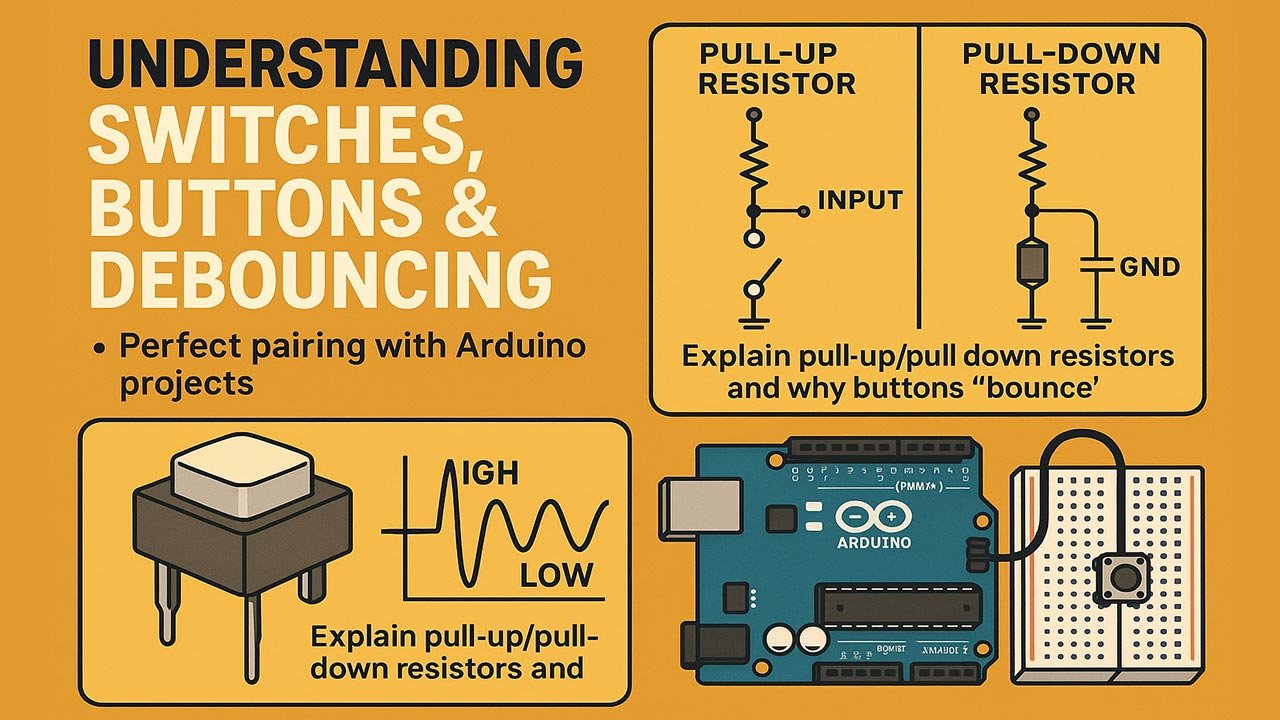
Understanding Switches & Button Debouncing
Understanding Switches & Button Debouncing: The Perfect Pairing With Arduino Projects Switches and buttons [...]
Learning Speed Adaptability, How fast can you learn, pivot, and rebuild?
Learning Speed Adaptability, How fast can you learn, pivot, and rebuild? Learning speed adaptability [...]
Practical Safety Tips for Electronics Hobbyists
Practical Safety Tips for Electronics Hobbyists Electronics hobbies blend creativity, problem-solving, and hands-on innovation. [...]

Breadboard Basics
Breadboard Basics: How to Build Your First Circuit Learning to use a breadboard is [...]

Leveraging Social Media to Increase Your Business Reach
Leveraging Social Media to Increase Your Business Reach Social media has evolved from a [...]

Headquarters:
601MEDIA LLC United States