Share This Story, Choose Your Platform!
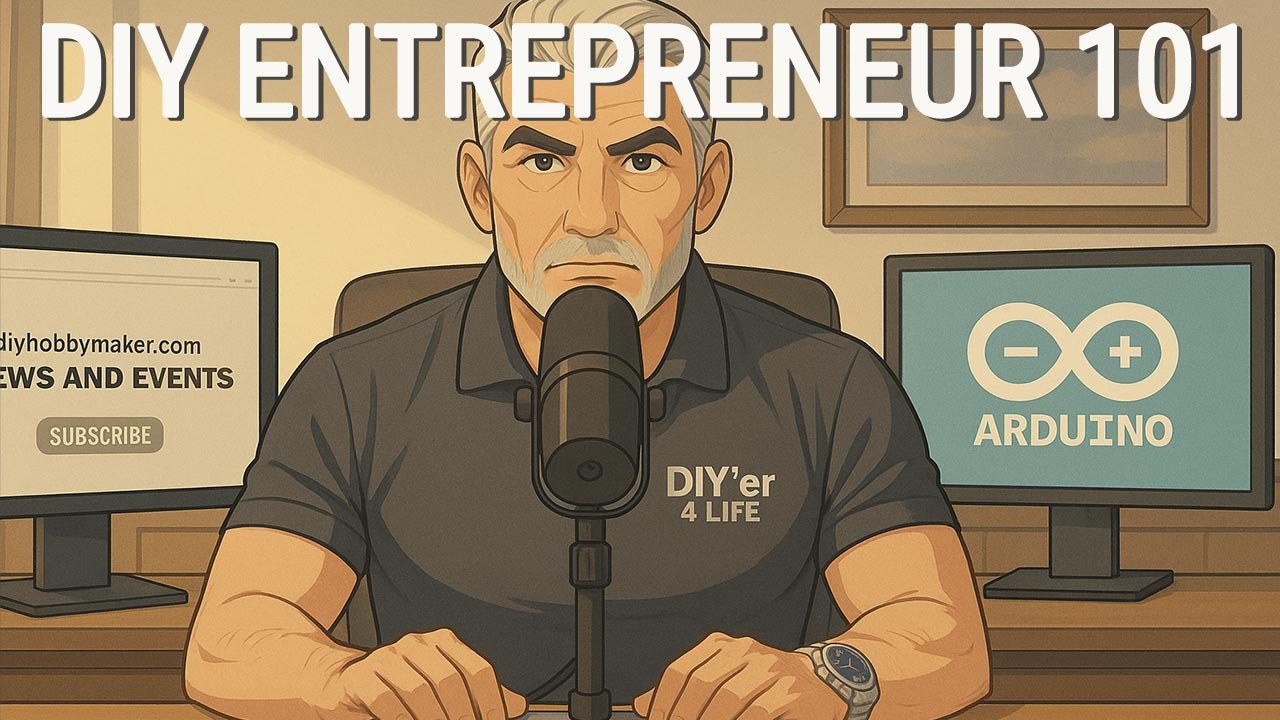
DIY Entrepreneur 101: How to Start and Grow a Business on Your Own
A practical, step-by-step guide for self-starters who want to design, launch, and grow a business without waiting for permission, funding, or a formal MBA. This page shows you how to think, plan, and operate like a DIY entrepreneur using lean, evidence-based strategies.
Table of Contents
- What Is DIY Entrepreneurship?
- The Core Mindset of a DIY Entrepreneur
- Getting Started: Your First DIY Venture
- Designing a Lean DIY Business
- Tools and Platforms for DIY Entrepreneurs
- Building Your One-Person Operating System
- Common Mistakes DIY Entrepreneurs Make
- Measuring Progress and Knowing When to Pivot
- Final Thoughts
- Top 5 Frequently Asked Questions
What Is DIY Entrepreneurship?
DIY entrepreneurship is the practice of starting and growing a business primarily by yourself, using accessible tools, your existing skills, and lean experimentation instead of large capital, complex teams, or formal structures. The DIY entrepreneur is not waiting for a perfect idea, a big investor, or a corporate title. They build, test, learn, and iterate in real markets using whatever resources they can control today.
At its core, DIY entrepreneurship is about agency. You decide what value to create, who to serve, and how to design a business that fits your life rather than the other way around. Instead of optimizing for status or funding rounds, you optimize for learning, customers, and sustainable cashflow.
Why DIY Entrepreneurship Matters Today
The barriers to entry in many industries have dropped. With cloud tools, global marketplaces, and digital distribution, an individual can now do what used to require an entire company. You can prototype a product, reach customers, accept payments, and deliver value with a laptop and an internet connection.
This shift makes DIY entrepreneurship not just possible but strategically smart. It allows you to:
- Test multiple ideas quickly without betting your entire savings.
- Build skills in marketing, sales, product, and operations on real projects.
- Own the upside of your decisions instead of trading time for salary.
- Build a portfolio of small bets instead of relying on a single career path.
Common Myths vs. Reality
Several myths stop people from starting:
- Myth: You need a perfect idea first.
Reality: Great ideas usually emerge from testing many imperfect ones with real customers. - Myth: You must quit your job immediately.
Reality: Many DIY entrepreneurs start with side projects that grow into full-time businesses. - Myth: You have to raise money.
Reality: Bootstrapping and customer-funded growth are often more sustainable for small, focused ventures. - Myth: Entrepreneurs are born, not made.
Reality: Entrepreneurship skills are learnable through deliberate practice, feedback, and reflection.
The Core Mindset of a DIY Entrepreneur
Mindset is the infrastructure of your behavior. Before you build products, you build habits, beliefs, and ways of thinking that make entrepreneurship repeatable.
Ownership and Accountability
DIY entrepreneurs assume radical ownership. If something is broken in the business, they treat it as their responsibility to understand and improve it. That does not mean blaming yourself for every outcome; it means focusing on the levers you can pull:
- Your choices about where to spend time and money.
- Your process for understanding customers and testing ideas.
- Your willingness to ask for help, feedback, and critique.
Ownership turns uncertainty into a challenge rather than a threat. You cannot control the market, but you can control how quickly you learn from it.
Bias for Action
Entrepreneurs are rewarded for experiments, not for plans. A bias for action means you prefer:
- Launching a small test page instead of debating the perfect brand name.
- Talking to 10 real customers instead of guessing their needs in a document.
- Shipping a basic version of your offer instead of endlessly polishing features.
Action creates information. Information lets you make better decisions. Waiting preserves comfort but not progress.
Frugality and Resourcefulness
DIY entrepreneurship is built on smart constraints. You deliberately choose to operate lean:
- Use free or low-cost tools before committing to expensive software.
- Trade time and creativity for money in the early stages.
- Reuse components, templates, and systems instead of reinventing everything.
Frugality is not about scarcity thinking; it is about forcing focus. When you cannot spend your way out of a problem, you solve the right problem.
Experimentation and Learning Loops
Think of your business as an ongoing series of experiments. For each experiment you define:
- A hypothesis: “If we test X with Y customers, we expect Z result.”
- A small, cheap way to test it: a landing page, a prototype, a short campaign.
- A clear learning metric: sign-ups, replies, purchases, or engagement.
After each experiment you debrief: What worked, what did not, and what will we try next? This loop of build → measure → learn is how you evolve from guesses to proven models.
Getting Started: Your First DIY Venture
Your first venture does not need to be epic. In fact, it should be deliberately small so you can learn the entrepreneurial cycle end-to-end: from idea to customer payment.
Define Your Why and Entrepreneurial Story
Before choosing a niche or product, clarify why entrepreneurship matters to you:
- Do you want more autonomy over your schedule?
- Are you driven to solve a specific problem you have experienced?
- Do you want to diversify income beyond your job?
Write a brief entrepreneurial story that connects your past experiences to the people you want to help. This narrative will shape your brand, your messaging, and your resilience when things get hard.
Spot Problems Worth Solving
Entrepreneurs are professional problem-spotters. Look for:
- Tasks people complain about as “annoying,” “confusing,” or “time-wasting.”
- Moments where people duct-tape multiple tools together to get a job done.
- Industries where customer experience feels outdated or frustrating.
Start with problems you understand personally: your job, your hobbies, or communities you belong to. You’ll have better intuition about what solutions might actually help.
Validate Ideas with Lean Experiments
Instead of asking, “Is this a good idea?” ask, “What is the fastest way to find out?” Common validation experiments include:
- Conversation tests: talk to potential customers, ask about their current workflow and pain points.
- Landing pages: describe your offer, add a clear call to action, and measure sign-ups or inquiries.
- Pre-sales or waitlists: ask people to commit with money, a deposit, or time before you build everything.
The goal is not to prove your idea is right; it is to discover whether anyone cares enough to act.
Choose a Simple Business Model
For DIY entrepreneurs, simpler is better. Consider models such as:
- Service-based offers (consulting, freelancing, done-for-you work).
- Productized services (fixed-scope, fixed-price packages).
- Digital products (courses, templates, tools) once you understand a specific problem well.
Ask yourself:
- Can I deliver this myself without hiring a team?
- Can I explain this offer in one sentence?
- Can I launch a prototype in the next 30 days?
Designing a Lean DIY Business
Once you have a promising direction, you design the business model around constraints: your time, your skills, and your desired income.
Create a One-Page Lean Plan
Instead of writing a long document, capture the essentials on one page:
- Customer segment: who you’re helping.
- Problem: what frustrates them.
- Solution: your offer in one sentence.
- Channels: how you will reach them.
- Revenue: how you get paid.
- Costs: tools, subscriptions, and time.
- Unfair advantage: your experience, network, or insight.
You will update this frequently as you learn; treat it as a living document, not a static plan.
Build a Minimum Viable Offer
A minimum viable offer (MVO) is the smallest version of your product or service that still delivers real value. For example:
- Instead of building full software, create a manual, high-touch service using spreadsheets.
- Instead of a 10-module course, host a live workshop and record it.
- Instead of a fully designed brand, use a simple name, basic logo, and a clear promise.
Focus on outcomes, not features. If your MVO helps a customer achieve a meaningful result, they will forgive rough edges.
Pricing, Costs, and Simple Numbers
You do not need to be a CFO, but you must understand your basic economics:
- Revenue per customer: what the average client pays.
- Cost per customer: tools, ads, payment fees, and your time.
- Contribution margin: revenue minus direct costs.
Many DIY entrepreneurs undercharge because they anchor on hourly wages. Instead, price based on value and outcomes. Ask: “What is this result worth to the customer?” Then set a price that feels slightly uncomfortable but still honest.
Tools and Platforms for DIY Entrepreneurs
You can run a surprisingly sophisticated business using modern tools without writing code or hiring a team.
No-Code and Low-Code Tools
No-code platforms let you design websites, apps, and workflows visually:
- Website builders for landing pages and simple sites.
- Form tools for collecting leads, surveys, or applications.
- Automation tools that connect your apps and trigger actions based on events.
These tools reduce development time and allow you to iterate faster on your offers.
Marketing and Distribution Platforms
Distribution is where many entrepreneurs struggle. DIY entrepreneurs use channels where they can consistently show up:
- Email newsletters to build direct relationships with subscribers.
- Social platforms where your audience already spends time.
- Marketplaces or directories relevant to your niche.
Choose one or two channels to master before expanding. Consistency beats complexity.
Finance and Operations Tools
Simple tools can keep you organized and legally safe:
- Invoicing or payment platforms to accept money and track income.
- Basic bookkeeping tools to categorize expenses and prepare for taxes.
- Document storage for contracts, proposals, and client files.
You do not need corporate-level infrastructure; you need a clear, repeatable way to get paid and fulfill promises.
Building Your One-Person Operating System
A DIY entrepreneur is also a one-person operations team. Your operating system is the combination of routines, tools, and habits that keep the business running.
Managing Your Time and Energy
Time management is really energy and attention management. Practical tactics include:
- Blocking specific hours for deep work on product and marketing.
- Batching tasks like email, admin, and content creation.
- Protecting recovery time so you do not burn out.
Your calendar is a strategic artifact. If it does not reflect your priorities, neither will your business.
Systems, Checklists, and Automation
Anything you repeat more than a few times deserves a system:
- Checklists for onboarding new clients.
- Templates for proposals, outreach emails, and landing pages.
- Automations for repetitive tasks like sending confirmations or reminders.
Systems free your mental bandwidth so you can focus on high-value work: understanding customers, refining offers, and exploring new opportunities.
Learning and Innovation Habits
To stay relevant, treat learning as part of your job description:
- Schedule regular time to study your industry, competitors, and adjacent fields.
- Review experiments monthly: what you tried, what worked, and what failed.
- Collect customer feedback continuously through surveys, interviews, and usage patterns.
Innovation is not a one-time spark; it is the compound interest of many small insights over time.
Common Mistakes DIY Entrepreneurs Make
Even capable entrepreneurs fall into predictable traps:
- Building in isolation: spending months on a product without talking to customers.
- Overbuilding: adding features or complexity far beyond what early customers need.
- Undercharging: pricing too low and creating a business that cannot sustain you.
- Shiny-object chasing: jumping to new ideas before previous ones have been fully tested.
- Ignoring personal runway: not tracking savings, burn rate, or time until you must be profitable.
Awareness of these pitfalls helps you design guardrails: regular customer conversations, simple metrics, and accountability partners.
Measuring Progress and Knowing When to Pivot
Progress in entrepreneurship is not only revenue. Especially early on, look at:
- Number of real customer conversations.
- Experiments run and lessons learned.
- Conversion rates from interest to purchase.
- Customer retention and referrals.
A pivot is justified when you have learned something significant that contradicts your assumptions. For example, perhaps customers love your expertise but prefer a done-for-you service instead of a course. Pivoting is not failure; it is strategic adaptation based on evidence.
Final Thoughts
The most important takeaway from DIY entrepreneurship is that you do not need permission to start creating value. You also do not need to build the perfect company on the first try. What you need is a repeatable way to notice problems, design offers, test them with real people, and learn faster than most.
When you approach entrepreneurship as a series of manageable experiments, you remove much of the fear and mystique. You stop waiting for the right moment and begin building capabilities, relationships, and assets that compound over time. Whether your first venture becomes your full-time career or simply a powerful learning project, the DIY entrepreneur mindset will permanently change how you see opportunities in the world.
Welcome to DIY Entrepreneur 101.
Now go build your future.
Top 5 Frequently Asked Questions
Share This Story, Choose Your Platform!

Related Entrepreneur Learning…

Become a Graphic Designer
How to Become a Graphic Designer Graphic design is no longer a niche creative [...]

Fear of Failure in Entrepreneurship
Fear of Failure in Entrepreneurship A concise exploration of why fear of failure holds [...]
Why Most People Never Launch — and How You Actually Can
Why Most People Never Launch — and How You Actually Can Most people have [...]
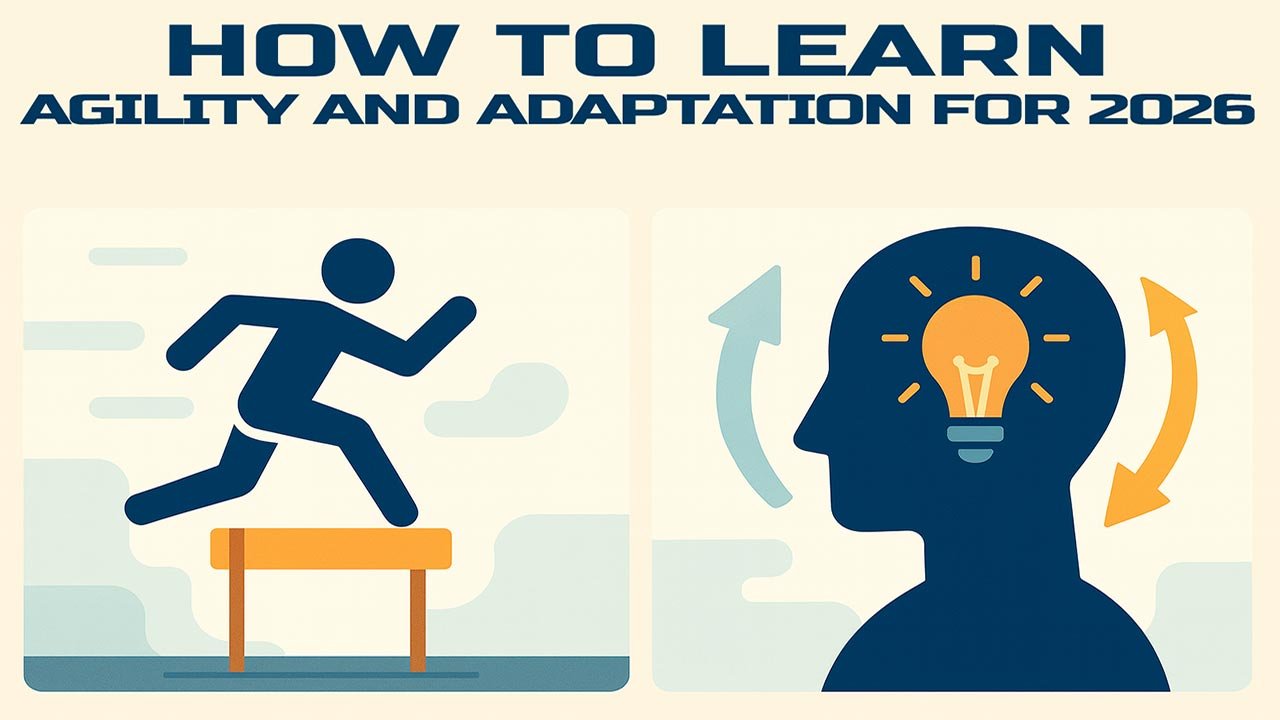
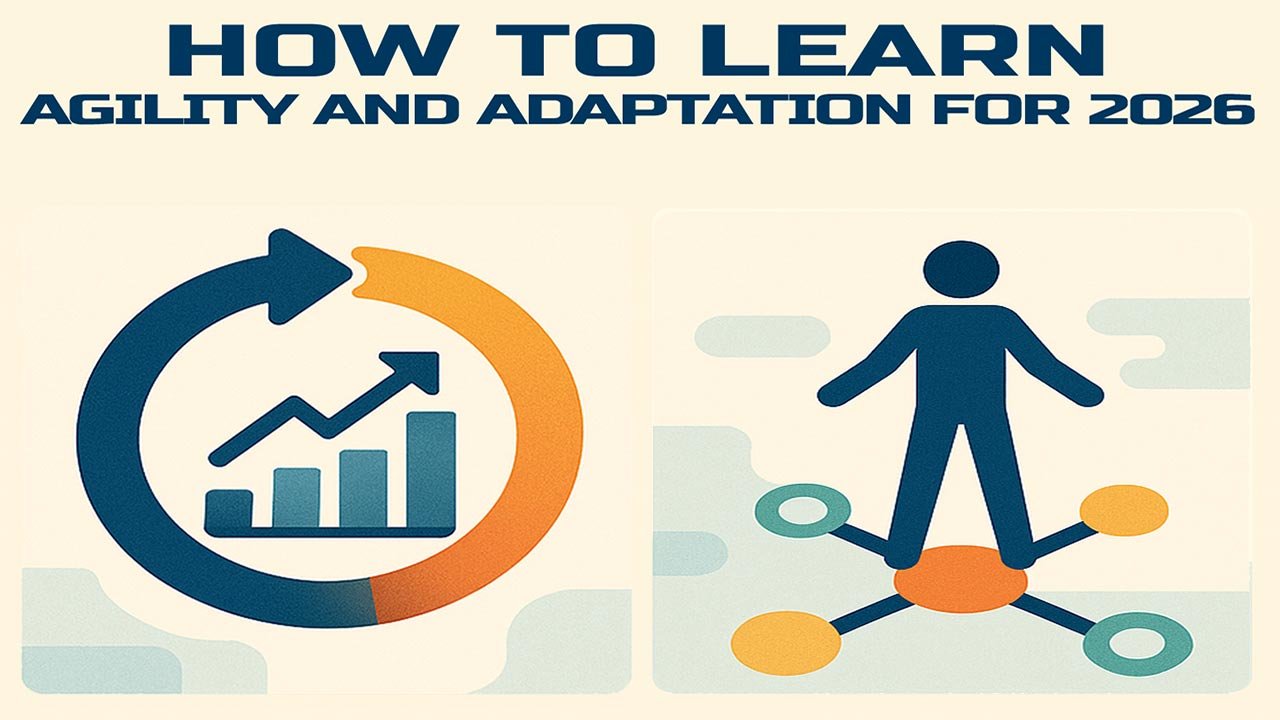
How to Learn Agility and Adaptation for 2026
How to Learn Agility and Adaptation for 2026 (Complete Guide) Agility and adaptation have [...]
Related 101 Topics…
Continue Learning other DIY topics…
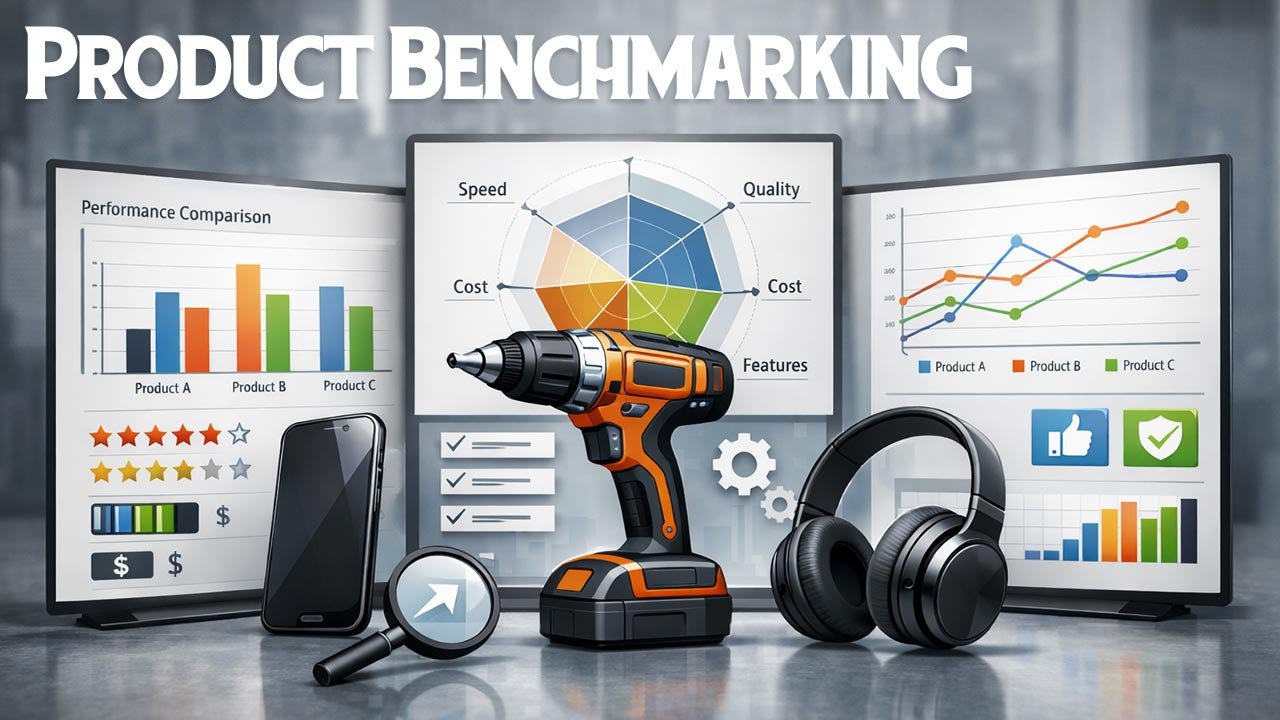
What Is Product Benchmarking?
What Is Product Benchmarking? Product benchmarking is the structured process of comparing a product’s [...]
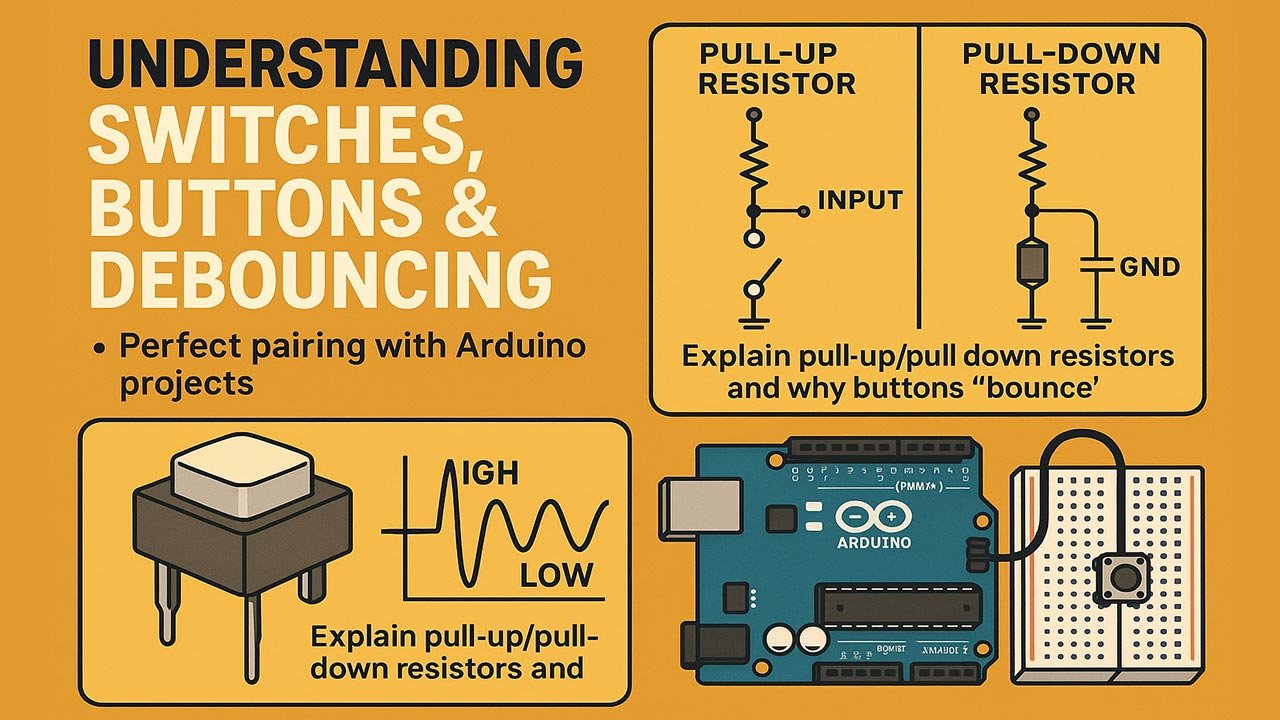
Understanding Switches & Button Debouncing
Understanding Switches & Button Debouncing: The Perfect Pairing With Arduino Projects Switches and buttons [...]

Learning Speed Adaptability, How fast can you learn, pivot, and rebuild?
Learning Speed Adaptability, How fast can you learn, pivot, and rebuild? Learning speed adaptability [...]
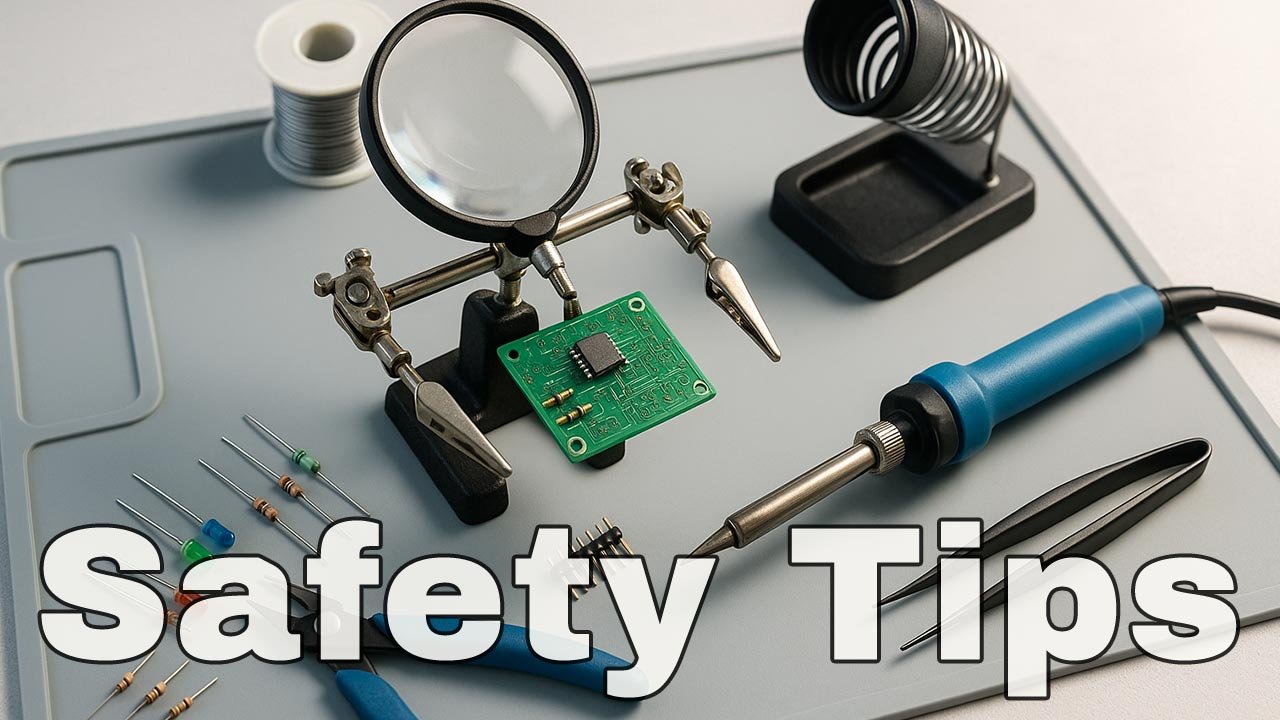
Practical Safety Tips for Electronics Hobbyists
Practical Safety Tips for Electronics Hobbyists Electronics hobbies blend creativity, problem-solving, and hands-on innovation. [...]

Breadboard Basics
Breadboard Basics: How to Build Your First Circuit Learning to use a breadboard is [...]

Leveraging Social Media to Increase Your Business Reach
Leveraging Social Media to Increase Your Business Reach Social media has evolved from a [...]

Headquarters:
601MEDIA LLC United States